
By Milo Martinez
Across the United States, economic anxiety is mounting. With inflation elevated, households feeling the squeeze on day-to-day expenses, and a war abroad amplifying energy price swings, many voters say the economy is shaping up to be the single most important issue heading into the next elections.
Public Sentiment: Economy Rated Poor, Worsening
Recent polling shows that large shares of Americans rate national economic conditions as only fair or poor. A survey from Pew Research with over 3,500 respondents found fewer than one-in-four consider things good or excellent. Most people say things have declined since early in the year. Among Republicans and Republican-leaning individuals, those saying the economy has worsened has risen, while favorable ratings have dropped. Healthcare, housing, food, and especially energy costs continue to top the list of concerns. Pew Research
Inflation and Energy Hard Hits
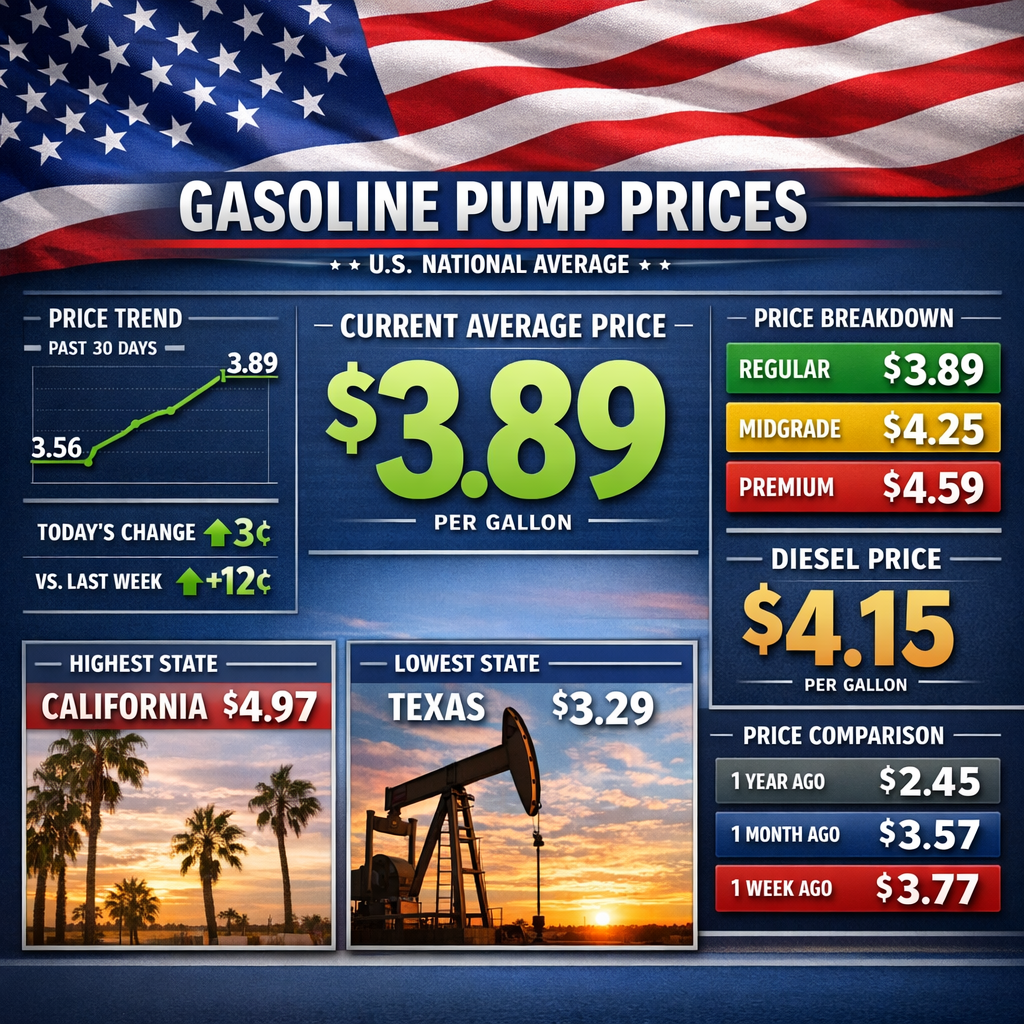
The cost of gasoline, already up due to geopolitical tension and disruptions in oil supply, has become especially painful. Energy prices more broadly—electricity, fuels, transport—are among the biggest contributors to inflationary pressure. Although some relief has come from easing supply bottlenecks and short-term dips, the overall trend remains one of volatility. Many economists warn that inflation will remain elevated and could increase again depending on global developments. BEA; Fed Views (San Francisco Fed)
Politics and Midterms Are Intertwined
With midterm elections less than two months away, economic performance has turned into a central metric by which voters judge political leaders. Approval of the current administration’s handling of inflation and economic policy hovers at low levels, and many voters cite rising prices and cost of living among top priorities when deciding who to support. On the political front, debates about leadership, trust in institutions, and accountability continue to galvanize concern. Marquette Law School Poll; Gallup
Looking Ahead: Risks, Opportunities, and Stakes
The economic outlook remains cautious. Some sectors—such as business investment tied to emerging technologies—show signs of strength, even as others, like housing, struggle under high interest rates. FactCheck.org; San Francisco Fed Views Consumer spending is maintaining momentum for now, helped in part by income supports and tax refunds in some cases, but that might not be durable if inflation stays high.
Politically, how voters perceive economic conditions between now and the midterms may strongly influence outcomes in key races. Incumbents—particularly in swing districts—may face backlash if voters feel economic hardship. Leaders seeking re-election are likely watching gasoline prices, food costs, and inflation forecasts very closely. The ability to address economic concerns credibly may prove decisive.